Is Your Rental Property Ready for the Unexpected?
A Preparedness Checklist for Owners & Residents
September is National Preparedness Month, which seems particularly appropriate considering September also happens to fall smack in the middle of hurricane season here in the Lowcountry.
Mother Nature does have a sense of humor.
Hurricanes tend to get most of the attention around Charleston—and understandably so—but preparedness applies to much more than named storms. Power outages, burst pipes, fires, fallen trees, flooding and other unexpected events have an annoying habit of happening without first checking anyone’s calendar.
At Sloane Realty, we believe the best time to figure out what to do during an emergency is well before there is an emergency.
When the weather forecast has suddenly turned into 24-hour coverage of a swirling red-and-orange blob headed toward South Carolina, it is not the ideal moment to ask:
Who is calling the tenants?
Who is contacting vendors?
Who is checking properties?
What if half the team loses power?
Wait...who was supposed to do that?
Those are questions for a sunny Tuesday—not the middle of a tropical storm.
Preparedness Starts Long Before the Forecast
Sloane Realty has a detailed disaster response process already in place. Our team knows their roles, responsibilities and communication procedures before a storm ever appears on the radar.
And because we live here too, our plan accounts for something that can easily be overlooked: our local team members may be experiencing the same emergency as our residents and properties.
They may lose power. They may lose internet access. Roads may be impassable. Cell service may be spotty. Their own homes and families may require attention.
Our disaster response process is designed with those realities in mind so that responsibilities can shift and communication can continue even when normal operations cannot.
Because, again, trying to invent Plan B while standing in the middle of Plan A falling apart is generally frowned upon.
So, What Does Being Prepared Actually Look Like?
Preparedness is a shared responsibility. Property managers, property owners and residents all have a role to play.
For Residents: Know Your Home
You don't need to become an amateur plumber or electrician. In fact, we'd really prefer that you didn't.
But there are a few things every resident should know about their rental home.
Know where the main water shutoff is located. Know where your electrical panel is. Locate your fire extinguisher. Know the safest exits from your home and understand how to report an emergency maintenance issue.
These are simple things—until water is pouring across the floor at 2:00 a.m. Then knowing where that shutoff valve is can suddenly feel like a very impressive life skill.
Build a Basic Emergency Kit
Every household should have a few essentials available in case of a power outage or severe weather event.
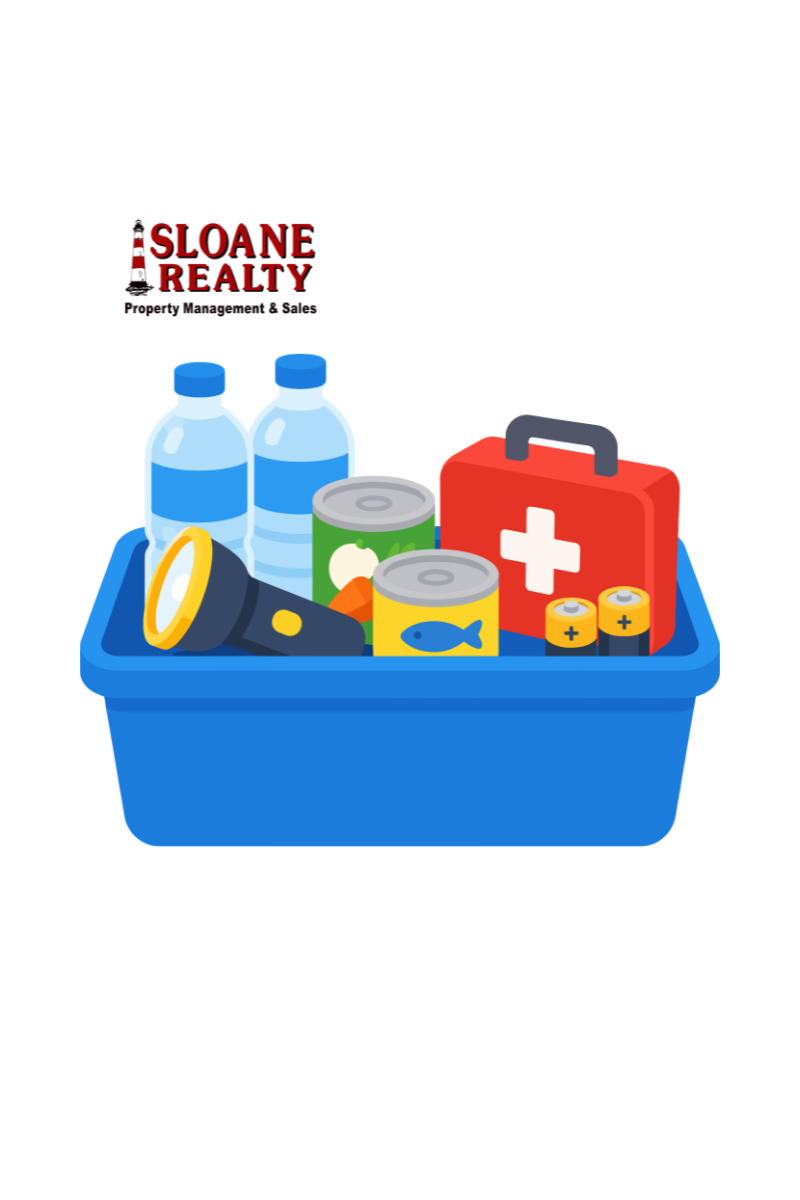
Flashlights, batteries, bottled water, non-perishable food, necessary medications, a basic first-aid kit and portable phone chargers are a good place to start.
And don't forget your pets. Food, medications, leashes, carriers and other necessities should be part of your emergency planning.
You do not need to turn your hall closet into a bunker. The goal is simply to have enough basic supplies to comfortably get through a short-term disruption.
Pay Attention to the Boring Safety Stuff
Smoke detectors and carbon monoxide detectors aren't exactly exciting home features.
They are, however, considerably more important than the backsplash.
Residents should periodically test alarms and immediately report any detector that isn't functioning properly. Fire extinguishers should be easy to locate and access, and hallways and exits should remain clear.
Small preventative steps can have an enormous impact when something actually goes wrong.
Severe Weather Requires a Few Extra Steps
When severe weather is approaching, residents should bring outdoor furniture, plants and other loose items inside when possible. Phones and portable chargers should be fully charged, vehicles should be moved away from trees when practical, and residents should follow trusted local weather and emergency-management information.
Most importantly, follow evacuation orders when they are issued.
Your house can be repaired. Your patio furniture can be replaced. Your hydrangeas may be emotionally significant, but they are still not worth ignoring an evacuation order.
Property Owners Have Homework, Too
Preparedness isn't only about what happens immediately before a storm.
Regular property maintenance is one of the most effective forms of emergency preparedness.
Addressing known roof issues, maintaining HVAC systems, trimming hazardous trees, keeping drainage areas clear and correcting known maintenance concerns can reduce the likelihood that a relatively minor event turns into a major repair.
Owners should also periodically review their insurance coverage and understand their deductibles and coverage limitations.
The day after a hurricane is a particularly unpleasant time to discover exactly what your insurance policy doesn't cover.
Communication Becomes Critical
One of the most important parts of any emergency response plan is communication.
Residents should make sure their phone numbers and email addresses are current and pay attention to communications from their property manager when severe weather is approaching.
Property managers need systems for communicating with residents, owners, vendors and team members before, during and after an event.
And there needs to be a backup plan for the backup plan.
What happens if the office loses power?
What happens if a team member doesn't have internet access?
What happens if vendors can't safely reach a property?
What happens if dozens of residents report issues simultaneously?
These aren't questions that should be answered for the first time when everyone is already under stress.
After the Storm Is When the Plan Goes to Work
Once conditions are safe, the work shifts to assessing properties, communicating with residents and owners, documenting damage, prioritizing urgent situations and coordinating vendors.
Not every issue can—or should—be handled at once.
A tree through a roof is going to move ahead of a missing fence picket.
Emergency response requires organization and prioritization, particularly after a widespread event when contractors, restoration companies, plumbers, electricians and other vendors may all be experiencing extraordinarily high demand.
Having established vendor relationships and clear procedures before an emergency helps tremendously when everyone in town is suddenly calling the same roofer.
Preparedness Is Part of Property Management
Good property management is often about solving problems.
Great property management is also about preparing for them.
We can't prevent hurricanes, power outages, plumbing failures or trees from occasionally making very poor decisions.
What we can do is make sure there is a plan.
At Sloane Realty, disaster preparedness isn't something we pull out when a storm receives a name. It's part of our overall approach to protecting the properties entrusted to us, supporting our residents and communicating with our owners.
Because when something unexpected happens, there will already be plenty to manage -figuring out what we're supposed to do shouldn't be one of them.